Made with Paintbrush
Urashima Taro
The Japanese folktale of the fisherman who visits the Dragon Palace, made into a 73-second film. The same faces in all 20 shots, from the beach to the bottom of the sea and back.
- runtime
- 1:13
- shots
- 20
- characters
- 4
- settings
- 8
Based on The Story of Urashima Taro, the Fisher Lad by Yei Theodora Ozaki, 1903. A traditional folktale; public domain.
Cast
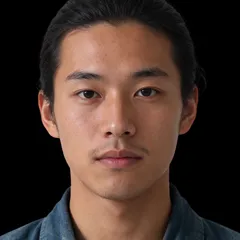
Taro
The fisherman

Princess Otohime
Of the Dragon Palace
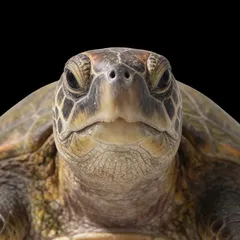
The Turtle
Her messenger
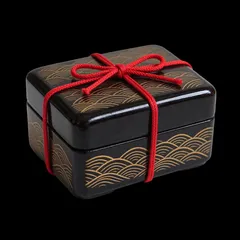
The Box
An object
From the page to the screen
Ozaki’s 1903 telling of the folktale, the line as it was written in Paintbrush with the delivery the voice performed, and the shot it became. The film tells the story in its own words, so these are the same beats rather than the same sentences. Press a frame to play that moment.
But in the little fishing village, more than for being a clever fisher of the sea was he known for his kind heart.
Narrator
[warm, storyteller tone] It started with one small act of kindness.
Down through the water the tortoise dived.
Narrator
[warm, hushed] The turtle came back... [with wonder] and took him somewhere no human had ever been.
“Yesterday you set free a tortoise, and I have sent for you to thank you for saving my life, for I was that tortoise.”
Princess Otohime
[warm, gracious] You saved my messenger. Now let me thank you.
“You must not open this box, whatever happens!”
Princess Otohime
[softly, sad] Whatever happens... never open it.
“But the Urashima Taro of whom I have heard is a man who lived three hundred years ago.”
Narrator
[quiet, heavy] He had been gone three hundred years.
The few days he had spent in the Sea King's palace beyond the sea had not been days at all; they had been hundreds of years, and in that time his parents had died and all the people he had ever known, and the village had written down his story.
Narrator
[soft, melancholic] Three days with her... [pause] three hundred years for everyone else.
Same face, every shot
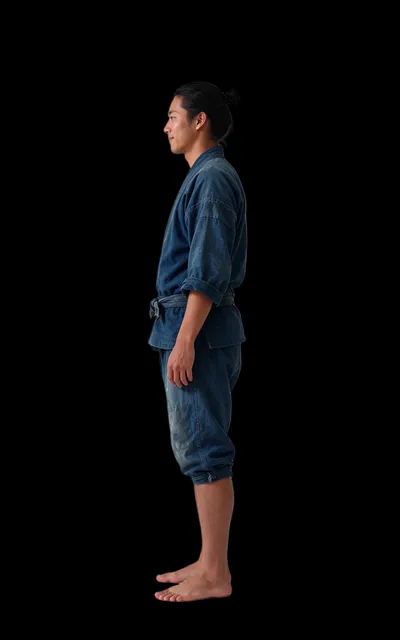
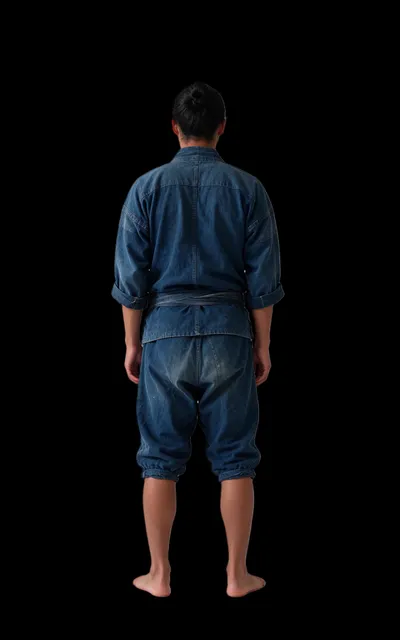
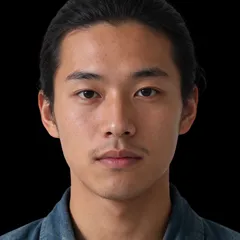
Each character is drawn once as a sheet: front, side profile, back and a face close-up. Every shot that shows them is made from it, so Taro is the same man on the beach, in the Dragon Palace, in the changed village and at sunset, until the box ages him. The turtle and the lacquered box have sheets of their own.
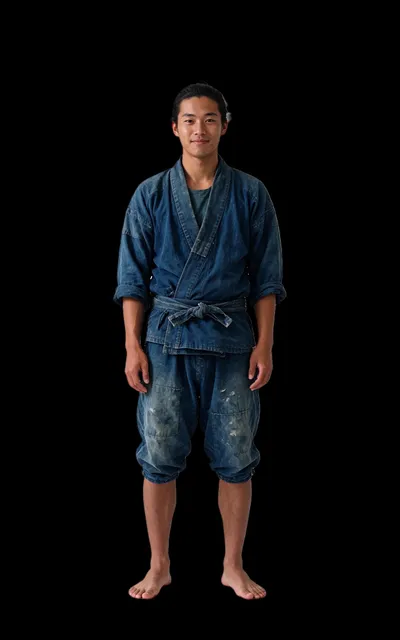
The beach, carrying the turtle
The underwater garden
The changed village
The beach at sunset
Two worlds, eight settings
The village shore by day and at sunset, the sea, the Dragon Palace outside and in, its garden, and the village three hundred years on. A setting keeps its layout, so each place looks the same from shot to shot.
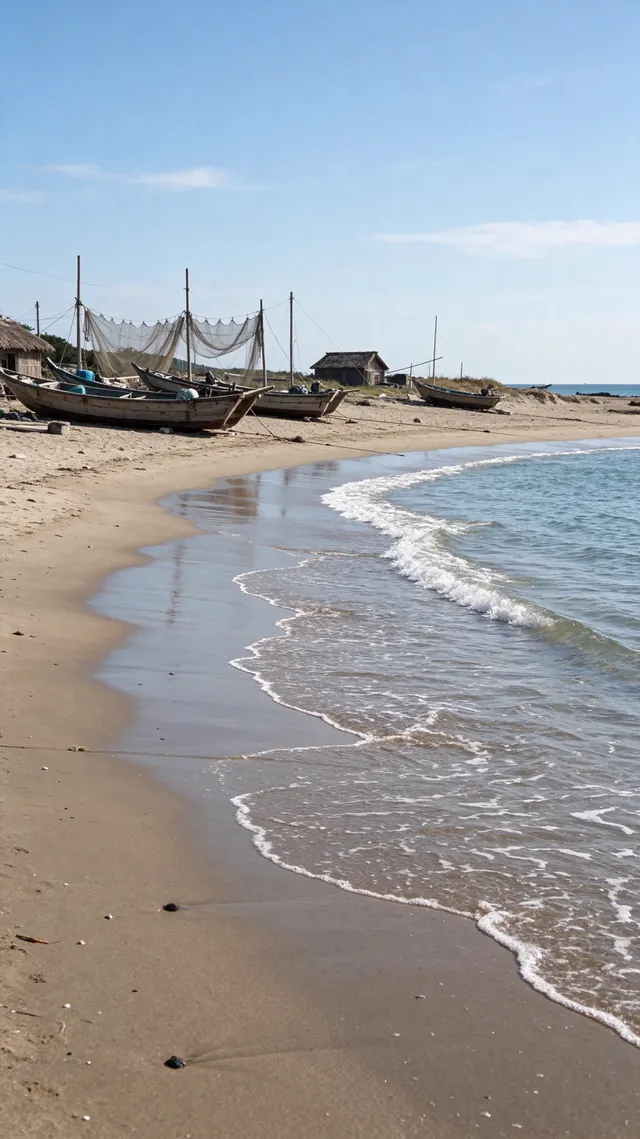
Village beach
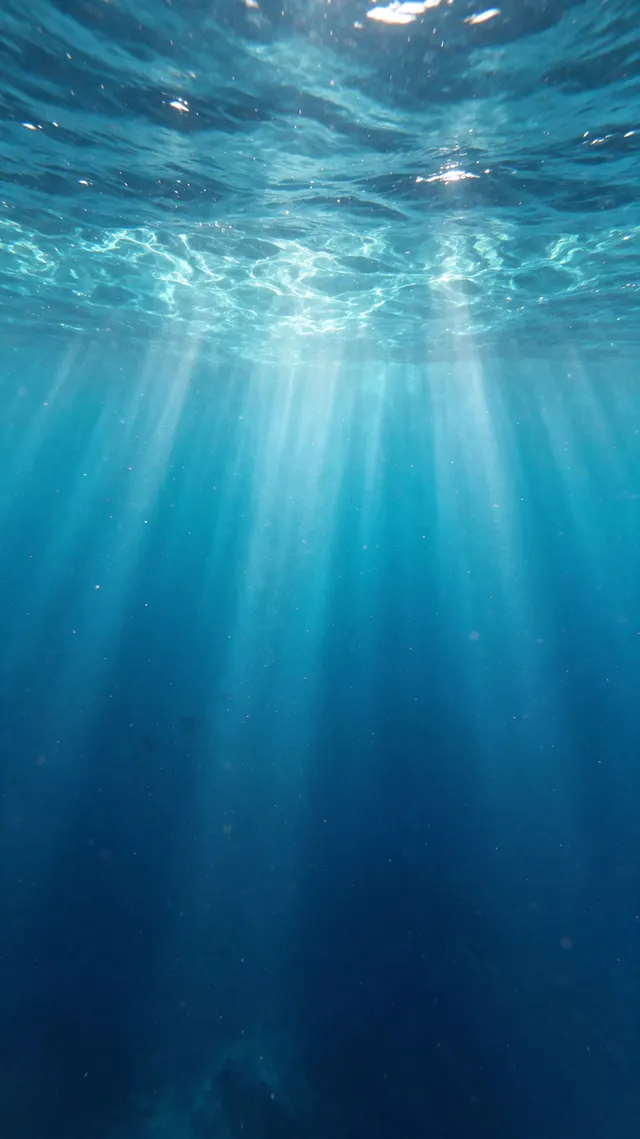
Sunlit sea
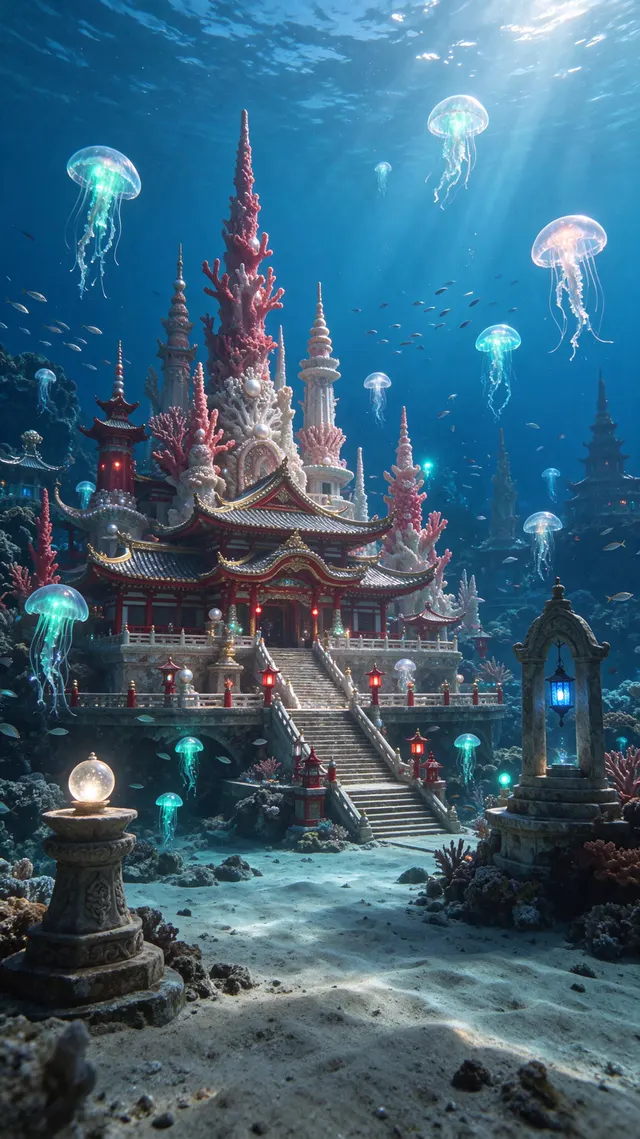
Dragon Palace
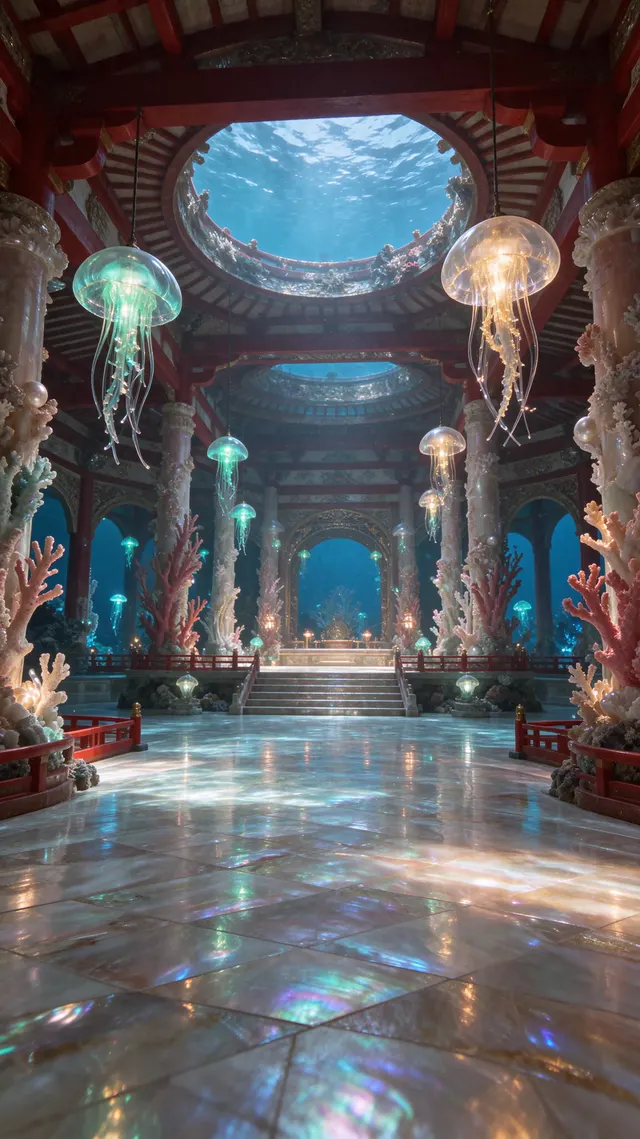
Palace hall
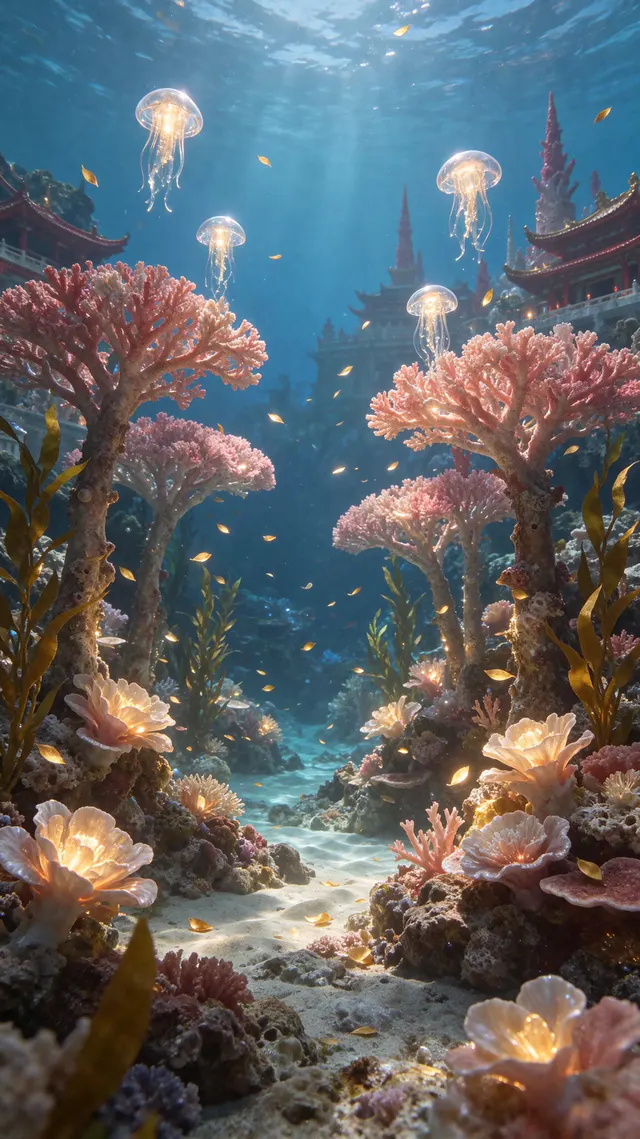
Underwater garden
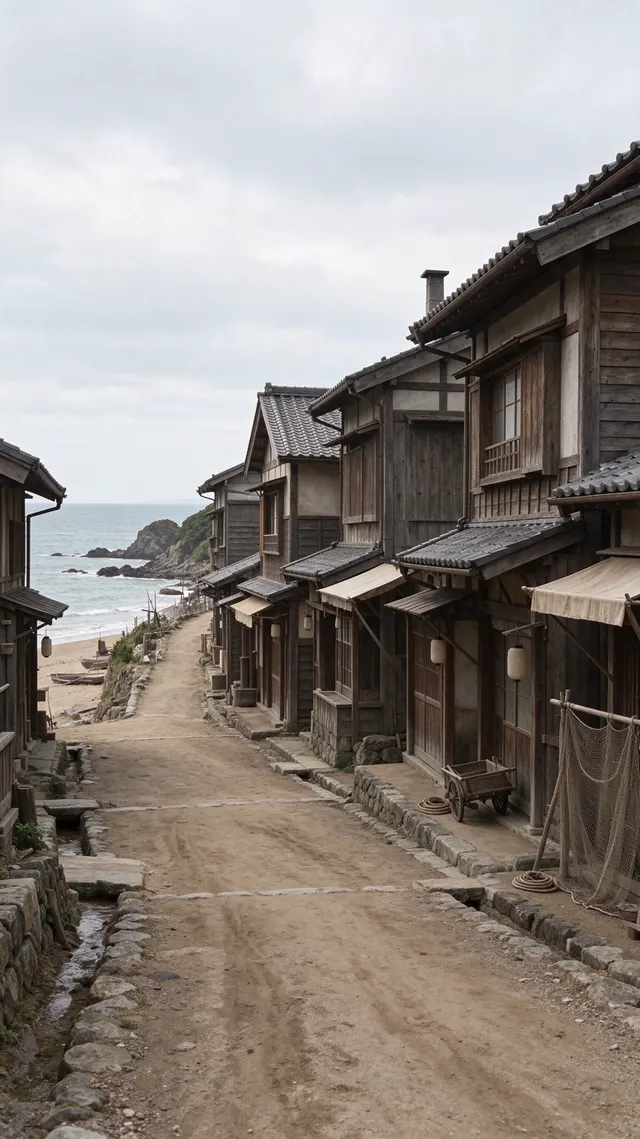
The changed village
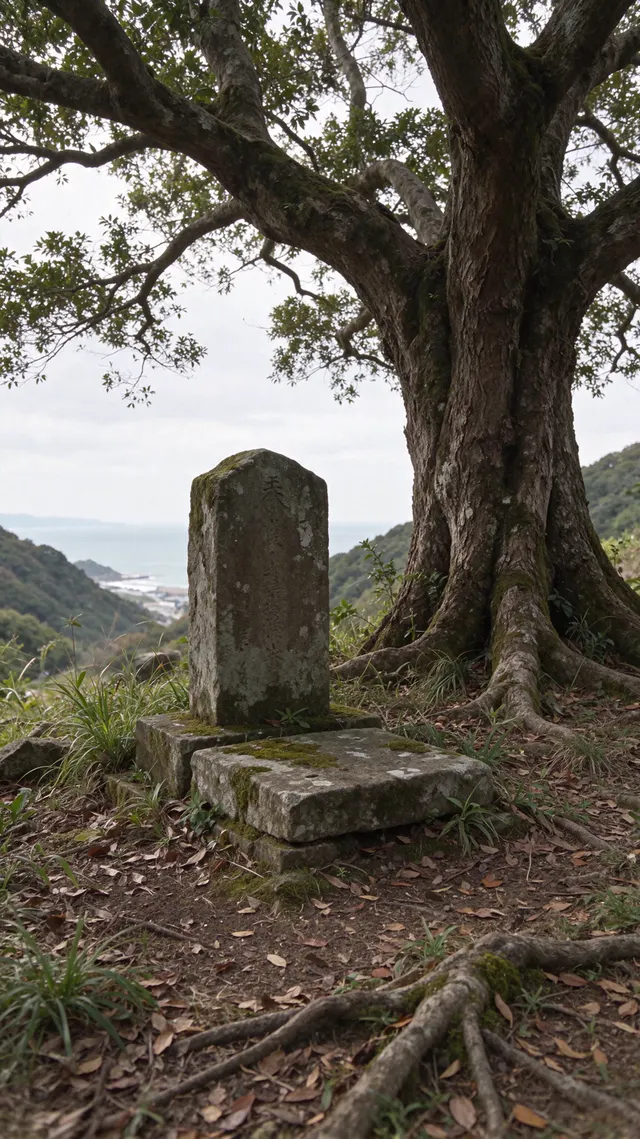
Old grave
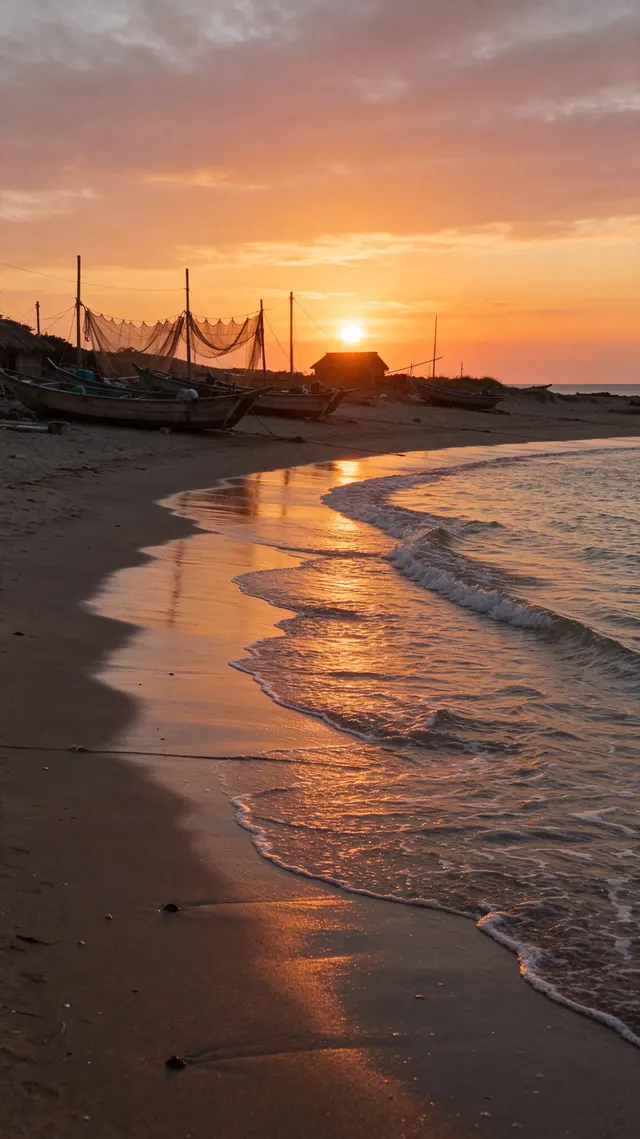
Beach at sunset
The whole script
Ten chapters in three parts. Each chapter is performed as one take, with the delivery tags in brackets, and cut into shots. Press a time to play it.
Part one: the turtle
Hook
- Narrator [calm, slightly melancholic] She told him never to open it.
The Kindness
- Narrator [warm, storyteller tone] It started with one small act of kindness.
The Dive
- Narrator [warm, hushed] The turtle came back... and took him somewhere no human had ever been.
The Palace Reveal
- Narrator [reverent, warm] The Dragon Palace, at the bottom of the sea.
Part two: the Dragon Palace
The Princess
- Princess Otohime [warm, gracious] You saved my messenger. Now let me thank you.
Paradise
- Narrator [warm, wistful] He stayed three days. The happiest days of his life.
The Gift
- Taro [gentle, homesick] I have to go home. My mother will be worried.
- Princess Otohime [softly, sad] Whatever happens... never open it.
Part three: three hundred years
Wrong Home
- Narrator [melancholic] But when he came home... nothing was the same.
The Grave
- Taro [whispering, breaking] Mother...
- Narrator [quiet, heavy] He had been gone three hundred years.
The Box Opens
- Narrator [soft, melancholic] Three days with her... three hundred years for everyone else.
About this film
Is Urashima Taro public domain?
Yes. Urashima Taro is a Japanese folktale first written down in the eighth century, and the English telling quoted on this page, Yei Theodora Ozaki’s in The Japanese Fairy Book (1903), is in the public domain too, so anyone can adapt the story into a film, including a film made with AI.
How is the film different from the folktale?
At 73 seconds it keeps the turning points: the rescued turtle, the ride to the Dragon Palace, Princess Otohime’s box and her warning, the changed village and the box opened on the beach. It opens on that last scene as a hook, makes the turtle the princess’s messenger rather than the princess herself, and has Taro find his mother’s grave. In Ozaki’s telling a purple cloud rises from the box and Taro falls dead; here white smoke ages him and he crumbles to dust.
Who did the voices?
The narrator, Taro and Princess Otohime each have a voice from the ElevenLabs Voice Library. Every chapter’s lines were performed as one take, with delivery tags like [warm, hushed] or [whispering, breaking] in the script, and when a character speaks on screen the video model moves their mouth to the recording.
What would a film like this cost in Paintbrush?
At November 2026 rates, the shots in this cut come to roughly 2,900 credits: about 2,490 for 131 seconds of generated clips (18 credits per second, plus music removal and the voice cleanup narrated clips get), about 160 for keyframes, 90 for the cast and settings, and about 140 for directing 10 chapters. Retakes cost extra. Credit packs start at $12 for 500 credits, and 3,000 credits are $60.
Can I make one from my own story?
Yes. Paste a passage, a script or a whole story into Paintbrush and its agent plans the cast, settings and chapters, shows you previews and a credit estimate, and generates video only after you approve.
Your story could be next.
Paste a passage, a script or a whole story. You’ll see the cast and a credit estimate before any video is generated.